Not All Vinyl Setups Are Built the Same
Vinyl has made a strong comeback in recent years, but building a great vinyl setup is still far from straightforward. Unlike streaming, where most systems sound reasonably good out of the box, analog playback is much more sensitive to the choices you make.
Some listeners build their entire system around a turntable. Others treat vinyl as a secondary source alongside streaming. And then there are those who spend years refining every component to achieve a very specific sound.
So what does a good vinyl setup actually look like?
The best way to understand it isn't through theory, but through real systems built by real people.
What Makes a Vinyl Setup Work
At its core, every vinyl setup follows the same signal path. The turntable extracts information from the record, the cartridge translates it into an electrical signal, and the phono stage amplifies that delicate signal before it reaches the amplifier and speakers.
But knowing the components is only part of the picture. What really defines a great system is how those components interact.
A well-matched setup feels coherent. Nothing stands out in a distracting way, and the sound comes together naturally. That sense of balance is what separates a thoughtful system from a random collection of gear.
Three Real Vinyl Setups, Three Different Approaches
A system built around vinyl as the main source
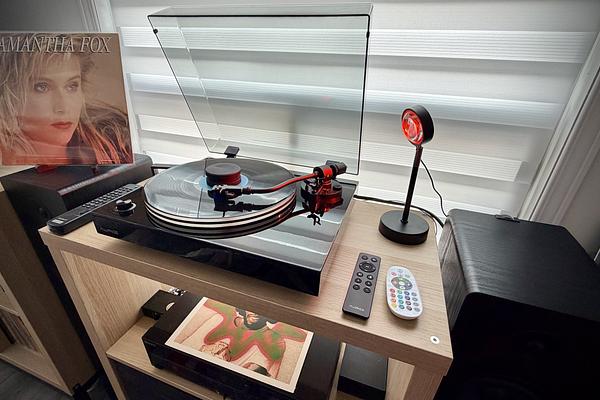
This setup follows a classic "vinyl-first" philosophy. The turntable isn't just one of many inputs — it's the foundation of the entire system.
Everything else is chosen with that in mind. The amplification and speakers are there to support the character of vinyl playback, not to serve multiple competing sources. The result is a system that feels focused and intentional.
What makes this approach work is clarity of purpose. When vinyl is your primary format, it makes sense to prioritize the front end and build the rest of the system around it. That often leads to a more cohesive and engaging listening experience.
A carefully refined high-end system
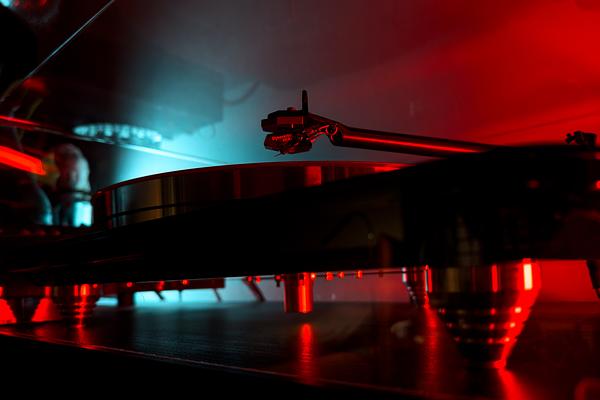
This setup tells a different story. It's not just about the components themselves, but about the process behind them.
The owner spent time selecting, testing, and refining each part of the system. Nothing feels random or rushed. Instead, the system reflects a long-term effort to achieve balance and synergy.
That's what makes high-end audio interesting. It's not defined by price alone, but by how well everything works together. Expensive gear doesn't automatically guarantee great sound, but a well-matched system often does.
This kind of setup shows what's possible when decisions are guided by experience rather than impulse.
A modern system where vinyl plays a supporting role
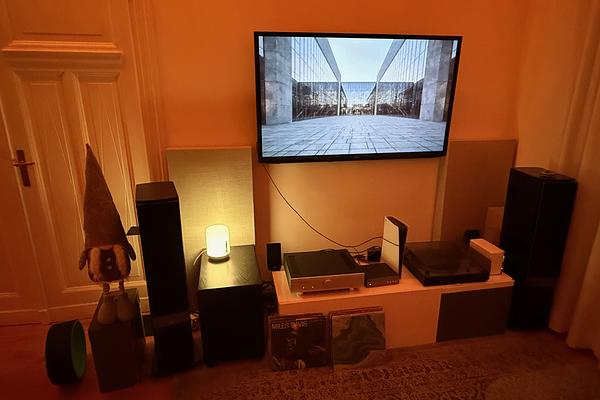
Not every system needs to revolve around vinyl. In this case, the turntable is part of a broader setup where digital sources likely play a major role.
Even so, the vinyl chain isn't an afterthought. The turntable and cartridge are solid, well-chosen components that integrate naturally into the system.
This approach is practical and increasingly common. It allows you to enjoy vinyl without fully committing your system to it. Records become something you return to when you want a different kind of listening experience — more tactile, more deliberate.
And importantly, it leaves room to evolve. A system like this can gradually shift toward vinyl over time, or remain a balanced hybrid indefinitely.
What These Setups Reveal
Looking at these systems side by side, a few patterns start to emerge.
First, there is no single "correct" way to build a vinyl setup. Each system reflects different priorities, whether that's simplicity, flexibility, or long-term refinement.
Second, the role vinyl plays in your system has a direct impact on how you should build it. When vinyl is the main source, it naturally demands more attention and investment. When it's secondary, the focus shifts toward balance and versatility.
And perhaps most importantly, synergy matters more than price. A system where components complement each other will almost always sound better than one built around isolated upgrades.
Choosing Your Own Direction
If you're thinking about building or improving a vinyl setup, the most important decision comes early: what role should vinyl play in your system?
For some, it becomes the primary way of listening. For others, it's something to enjoy occasionally, alongside streaming or digital sources. Neither approach is more "correct" than the other — they simply lead to different kinds of systems.
What matters is that your setup reflects how you actually listen to music.
Common Pitfalls
One of the most common mistakes is focusing too heavily on a single component. It's easy to invest in a high-end turntable while overlooking the rest of the system, but that imbalance usually limits the overall result.
Another issue is ignoring how components interact. Even excellent gear can sound underwhelming if it isn't well matched.
And finally, many people try to copy systems they've seen online without fully understanding them. What works in one space, with one set of preferences, won't always translate directly to another.
A System Is Always Personal
What these setups ultimately show is that there isn't one path to great sound.
Some systems are built around precision, others around warmth or character. Some evolve slowly over time, while others come together more quickly. Each one reflects the person behind it.
If anything, that's the real appeal of vinyl. It invites you to shape your system in a way that feels personal.